
About · 02
Why the Number 5.
Before the 16th century, the Oromo people had already established the Gadaa System. A democratic tradition rooted in the belief that "power is not a prize to hoard, but a season to steward."
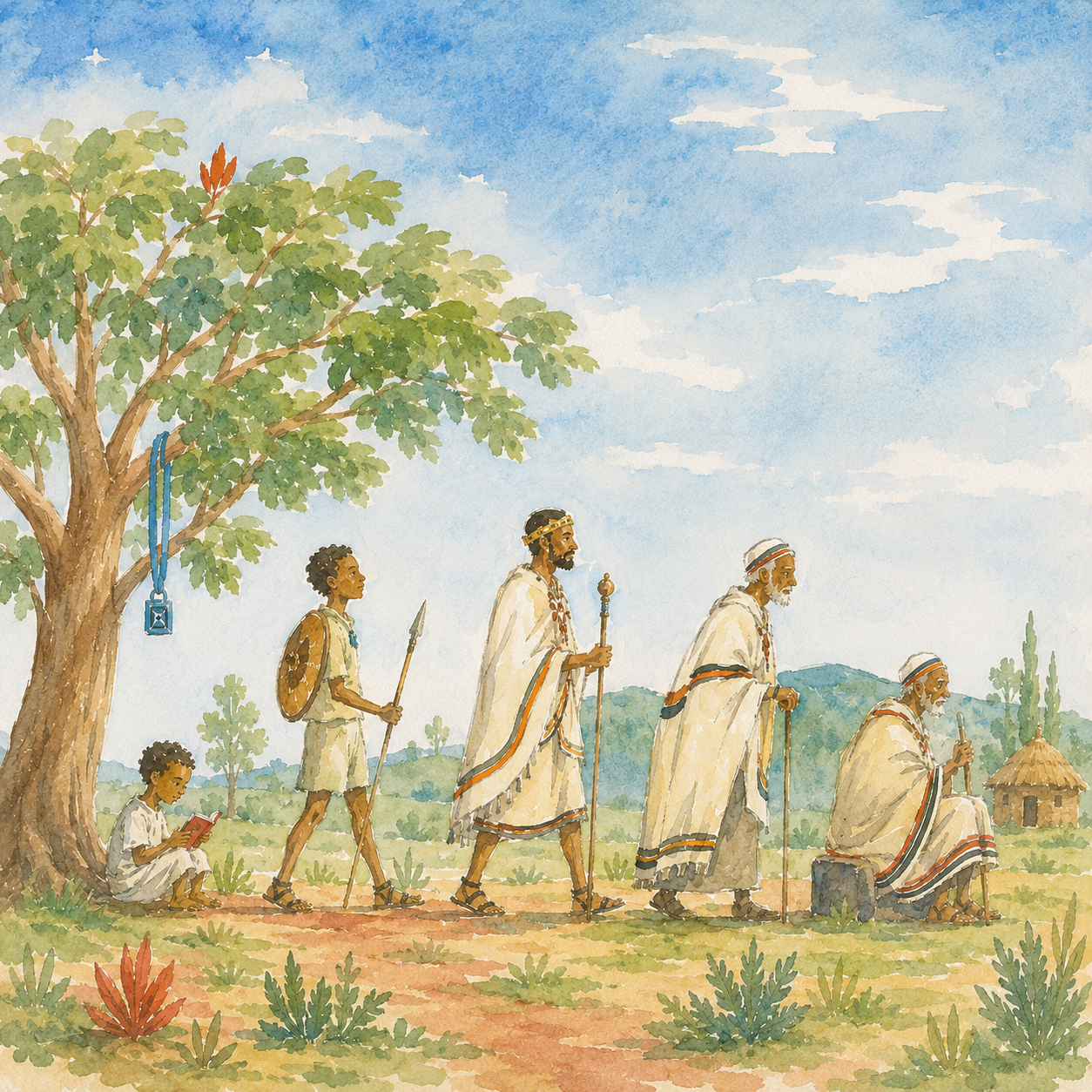
There are 5 stages of lifespan in the Oromo people.
01
Childhood and learning
02
Active warrior
03
Leadership
04
Elder and advisor
05
Retirement with respected status
The Gadaa System taught that no generation, no leader, and no role exists in isolation. Just as five fingers perform different tasks yet become powerful only when they move together, a nation grows when every person contributes to the whole.
The Rhythm of 5 runs through Oromo heritage. The number five appears repeatedly, not as decoration, but as a symbol of balance, and shared responsibility.
All branches of leadership were organized through five parties.
5 Gadaas
Five leadership groups that take turns governing the community.
- 1Birmajii
- 2Horata
- 3Michillee
- 4Duuloo
- 5Roobalee
5 Odaa
Regional places where leaders gathered beneath the Odaa tree to make laws, settle disputes, and conduct ceremonies.
- 1Odaa Nabee
- 2Odaa Roobaa
- 3Odaa Bisil
- 4Odaa Bulluq
- 5Odaa Bultum
5 Bokkuu
The five ceremonial scepters of authority carried within the Gadaa order.
- 1Bokkuu Kallachaa
- 2Bokkuu Dikaa
- 3Bokkuu Biifaa
- 4Bokkuu Roobaa
- 5Bokkuu Horaa
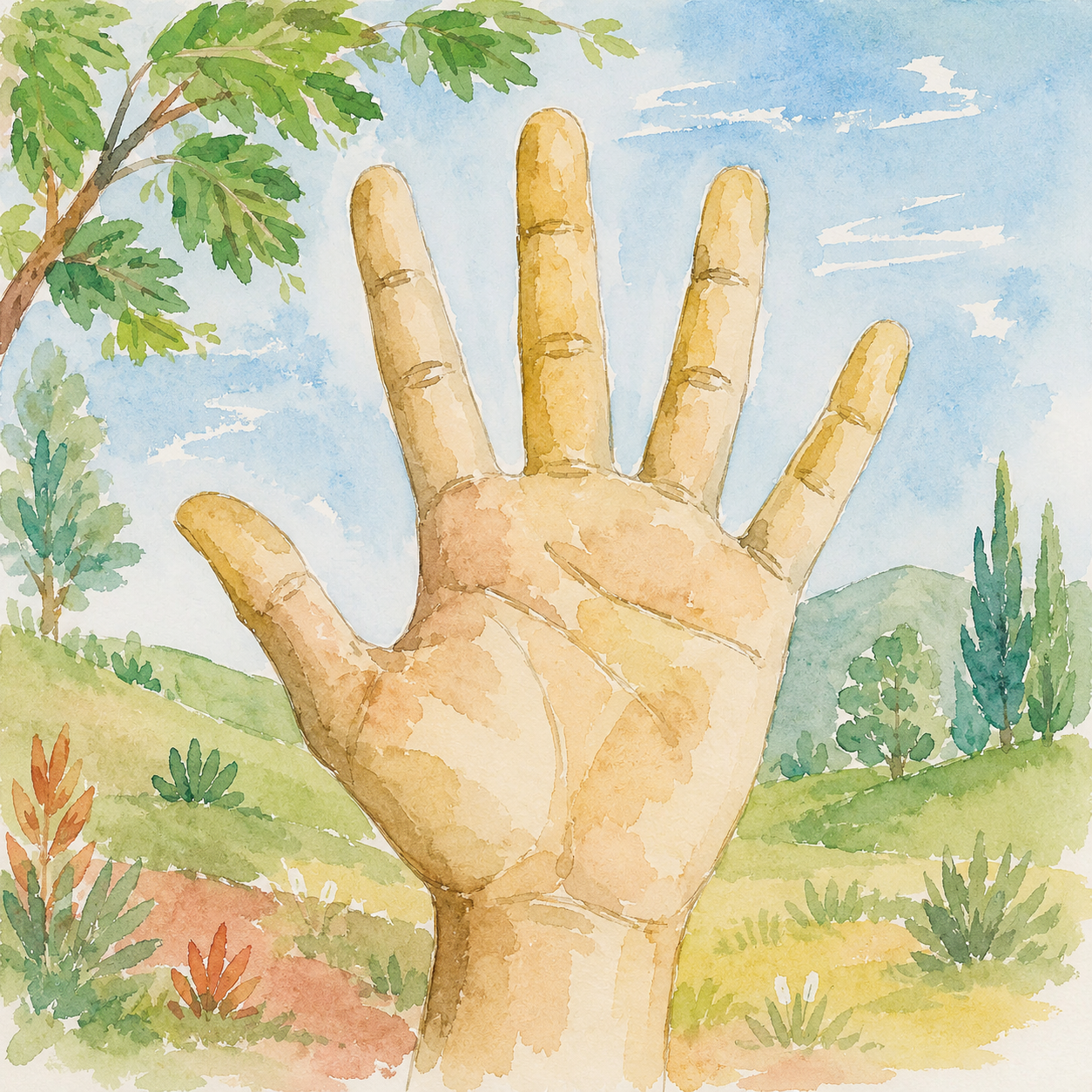
That is why we chose 05
Not because five is ordinary, but because one hand becomes powerful only when all five fingers work as one.